Nature imagery & budgets
Cheaper alternatives to Shutterstock and Adobe Stock for Nature Scenes
Shutterstocks collection now tops 450 million assets as of early 2026, a staggering scale that makes finding just the right nature scene tempting yet pricey. That said, there are smarter, cheaper alternatives for sourcing beautiful nature imagery in 2026, without sacrificing quality or licensing clarity.
Key Takeaways
| What youll gain | Why it matters |
|---|---|
| Cheaper, broader options exist beyond Shutterstock and Adobe Stock | You can reduce licensing costs by mixing budget libraries with free image sites in 2026 |
| Two strong budget contenders offer clear pricing paths | Club Easy style plans can unlock dozens to hundreds of images at low annual rates |
| Free nature image sources are more capable than ever | Unsplash, Pexels and Pixabay provide high-resolution nature photos with friendly licenses |
| Licensing varies by library; read the license before use | Some sites restrict commercial use or require attributionplan accordingly |
| Internal links for smart sourcing | Explore Depositphotos for pricing, Adobe Stock plans, and free sources like Unsplash and Pexels |
What should you look for in 2026 when comparing cheaper alternatives to Shutterstock and Adobe Stock for Nature Scenes? Price per download versus subscription value, license scope for commercial work, and the breadth of nature imagery. Below we walk you through practical options you can tap into today.
Cheaper alternatives to Shutterstock and Adobe Stock for Nature Scenes: A quick overview
First, lets set expectations: the cheap options arent just about low prices. Theyre about predictable licensing, a steady flow of fresh nature imagery, and flexible download plans. In 2025 and into 2026, the microstock market continues to expand, with rapid growth driving more affordable choices for creatives who need nature scenes without breaking the budget. The global microstock market was valued around 4.8 billion USD in 2025, and forecasts point toward continued expansion through 2034. That growth supports more affordable libraries, more contributors, and smarter subscription models.
Budget-friendly libraries to explore combine a mix of paid plans and generous licensing. For many teams, a hybrid approachsome paid assets from Depositphotos or Adobe Stock alternatives, plus free sources for non-commercial testingdelivers the best balance of speed, cost, and variety. Its common in 2026 to see subscription-driven pricing and flexible bundles, making it feasible to source multiple nature scenes per month without overspending.
Two widely cited budget options stand out for 2026: the first is a low-cost annual plan with hundreds of downloads; the second is a broader catalog with simple pricing. Well break down how these work and how to combine them with free sources for maximum impact. For those who want a quick path to affordable nature imagery, these options are a strong starting point.
Well also cover free image sourcesUnsplash, Pexels, and Pixabaythat pair well with paid libraries for diverse nature scenes. Youll learn how to mix paid and free images, manage licensing, and stay within budget while keeping visuals strong.
Top budget libraries to explore for nature imagery
Starting with established budget options can shave significant costs off your monthly image budget. Depositphotos, in particular, has become a go-to for many teams seeking a predictable price point and reliable licensing. Their pricing and collections make it straightforward to grab nature scenes without the sticker shock of premium platforms.
Depositphotos is just one piece of a broader ecosystem in 2026. Other players, including iStock and Envato Elements, offer different licensing structures and bundle benefits. It helps to compare annual plan options side by side, especially if your project requires steady access to fresh nature photography throughout the year. If you want to see the current pricing, you can explore Depositphotos pricing directly on their site.
When youre budgeting for nature imagery, its also worth looking at the licensing terms tied to each library. Some offer broad commercial usage with minimal attribution, while others require careful review for more complex campaigns. The goal is to align licensing with your projects scale and distribution plan, so you dont hit hidden costs later.
Depositphotos collections, as an example, offer a range of categories including nature and landscape photography, with an emphasis on variety and utility for creative work. You can browse the collections to identify recurring themes that fit your brand voice. For those who want to compare licensing tiers, Depositphotos pricing provides clear entry points for mid-size teams or individual creators.
Alongside Depositphotos, the larger market includes stock libraries like Adobe Stock and Shutterstock; however, their pricing and licensing can be more complex. For teams that want to stay nimble in 2026, mixing a few curated paid sources with free options can deliver a steady flow of suitable nature imagery while keeping costs predictable. If you want to explore direct options, start with Depositphotos for pricing, then consider Adobe Stock plans for supplementary assets if needed.
Beyond large libraries, a few smaller players specialize in value bundles. If youre building a recurring workflow, consider annual or multi-seat licenses that lower the per-download cost as you scale. Its common in 2026 for the best-value options to emphasize subscriptions, especially for teams that consistently need fresh nature imagery month after month.
Pricing models and planning: how to maximize value in 2026
Pricing models in 2026 are shifting toward predictable subscriptions and fixed-download bundles. The idea is to reduce licensing friction and avoid per-image price spikes during busy creative cycles. Youll often see annual plans with a fixed number of downloads, plus a la carte options for additional assets. The key is to map your monthly need against the plans cap so you dont pay for unused downloads or overshoot your budget.
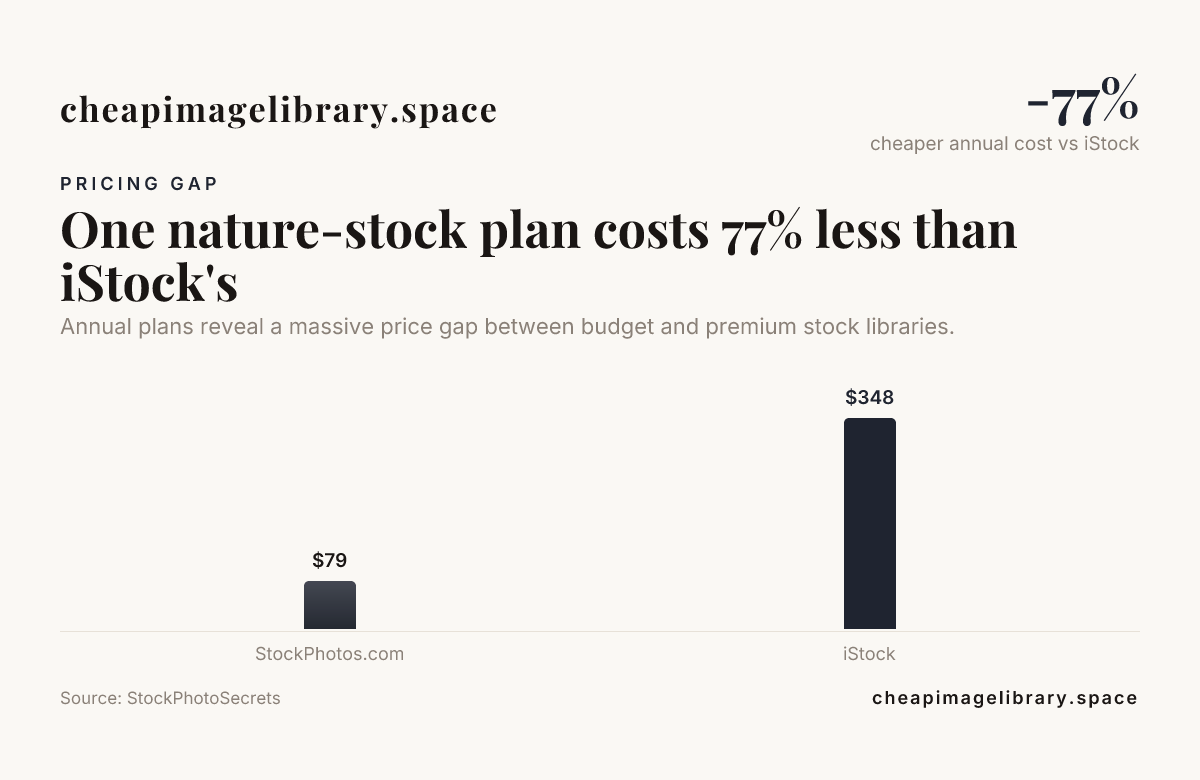
For example, one commonly cited budget option includes an annual plan with a few hundred downloads per year, which can be far cheaper than paying per image on premium platforms. These options are especially appealing for nature scenes, where you may need a mix of landscape skies, forests, oceans, and wildlife photography. You can check Depositphotos pricing to compare plan details and see how a fixed-download model could fit your workflow.
Licensing terms vary across libraries. Some plans include broad commercial rights, while others require attribution or limit usage to specific territories. In 2026, many teams prefer licenses that cover commercial use without mandatory attribution, especially for marketing materials, client work, and product visuals. If youre evaluating Adobe Stock, youll find clear plan options on their pricing page, which can help you decide whether to supplement with cheaper alternatives. And if youre testing the waters, free options from Unsplash, Pexels, and Pixabay can fill gaps for non-commercial or internal-use visuals.
Annual plans reveal a massive price gap between budget and premium stock libraries.
Free sources for nature scenes: Unsplash, Pexels, and Pixabay
Free sources can dramatically reduce the cost of initial experiments and non-commercial projects. Unsplash, Pexels, and Pixabay each offer a wide array of nature photos that do not carry the same licensing complexity as large paid libraries. In 2026 these sites remain strong options for mood boards, test creatives, and internal mockups before you commit to paid licenses.
When using free images, always verify the license terms for the specific image and ensure it aligns with your intended use. Some images on these platforms permit broad commercial use without attribution, while others require attribution or have restrictions on redistribution. Checking the licensing terms on each image is a quick habit that saves headaches later.
To explore current free options, start with the Unsplash overview and their nature photo pages, then browse Pexels and Pixabay for complementary scenes. These sites are popular for quick inspiration and can help you assemble a diverse mood board for your nature-centric projects. If your team needs more formal licensing, you can still rely on paid options as your project grows.
Keep in mind that free sources are not a universal substitute for all needs, especially for high-res assets with broad usage rights or very specific subjects. Theyre excellent for boards, concepts, or non-commercial pieces, while paid libraries fill in the gaps for commercial campaigns, large-scale usage, or unique, high-quality nature imagery. For a broader library and licensing context, you can view Unsplash license terms and explore general licensing with the other free sites mentioned above.
Why 2026 still favors a mixed approach for nature images
The 2026 market shows a healthy mix of big catalog libraries, affordable bundles, and free image options. Its common for teams to blend assets from Depositphotos or Adobe Stock with free images to maintain variety while controlling costs. This blended approach helps ensure you have fresh nature scenes for different campaigns without dramatically inflating your licensing budget.
Blending sources also helps with scale. If youre producing multiple visual assets per month, a few budget licenses can cover the bulk of your needs, while free images fill gaps for internal mockups or social content. The result is a practical balance: high impact visuals are possible without paying premium prices for every image. To explore pricing and plans you may combine, inspect Depositphotos pricing and Adobe Stock plans to see how bundles compare.
How to evaluate quality and relevance when choosing nature images on a budget
Quality matters as much as price. When youre sourcing nature scenes, pay attention to resolution, color accuracy, and the diversity of flora and landscapes. Budget-friendly libraries often have strong collections, but youll want to sample multiple images before committing to a plan. Look for consistent color grading, similar lighting, and a broad variety of landscapes to match different project briefs.
One practical tactic is to build a small test library from a few providers and compare how they perform for your typical use casesweb banners, social posts, product photography backdrops, or hero header images. This will help you decide which mix of deposits, free images, and paid assets yields the best balance of quality and cost. If youre curious about the structure of the marketplace, DataIntelo notes a strong growth trajectory for microstock, with the market forecast to reach nearly 9.3 billion USD by 2034, underscoring ongoing availability of cheaper options.
How to mix sources for the best nature scenes on a budget
Mixing paid and free sources gives you flexibility. Start with a paid plan for a core set of reliable nature images that cover most needs. Then supplement with free options for boards and initial concepts. This approach helps you keep a steady supply of visual content while staying within budget.
From a practical standpoint, map your quarterly needs to the licensing terms of each library. For example, use Depositphotos or Adobe Stock for high-impact campaign visuals, and lean on Unsplash or Pixabay for rough-cut concepts or internal previews. The goal is to match licensing rights with your projects distribution. If youre evaluating pricing, use the Depositphotos pricing page to estimate monthly costs and compare against Adobe Stock plans.
As you build your asset library, consider how many images youll need per month and whether you require exclusivity or broad usage rights. A well-planned mix reduces risk while providing a library that supports a wide range of nature scenesfrom misty forests to sunlit coastlines.
Practical tips for getting the most out of cheaper nature stock in 2026
- Set a monthly cap for downloads to avoid overspending.
- Keep a rotating short list of favorite donors or collections from Depositphotos and Adobe Stock to simplify workflow.
- Curate your mood boards using free sources first, then layer paid assets for final visuals.
- Read licensing terms carefully to ensure commercial usage is covered for your intended projects.
- Regularly review usage and plan renewals to maximize discounts on annual plans.
Frequently used brands and internal resources for 2026 nature imagery
We frequently reference a mix of paid and free sources to keep our nature imagery diverse yet cost-effective. For paid options, Depositphotos remains a strong candidate for budget-conscious teams. You can explore their catalog directly at their homepage to see the breadth of nature imagery available. If youre evaluating premium options, Adobe Stock remains a staple in many workflows, and you can review their plans for a sense of how a broader ecosystem operates.
For free inspiration and licensing clarity, Unsplash, Pexels, and Pixabay offer rich nature imagery. You can check their pages to understand the licenses and usage permissions per image. Additionally, for broader market context, DataIntelo provides a sense of how the microstock space is evolving in 2026, including the impressive scale of Shutterstocks assets and the growing share of subscription revenue across providers.
Conclusion
In 2026, smarter sourcing means letting price points guide your library mix without sacrificing the quality and licensing you need for nature scenes. By combining budget libraries like Depositphotos with free sources such as Unsplash, Pexels, and Pixabay, you can cover a wide range of landscapes, textures, and moods. The market continues to expand, and smart budgeting lets you access the imagery you want while staying within budget. Remember that the right combination of paid plans and free images is highly project-specific, so start with a plan, test widely, and adjust as you go.
Frequently Asked Questions
What are the cheapest stock photo sites for nature scenes in 2026?
Cheaper options typically include Depositphotos and other budget libraries, plus free sources like Unsplash, Pexels, and Pixabay. These can provide a solid base of nature imagery at lower costs when used thoughtfully.
Are free image sources reliable for professional projects in 2026?
Free sources can be reliable for mockups, concept visuals, or internal previews, but for commercial campaigns youll likely want paid licenses to ensure broad usage rights and consistent quality.
Is mixing paid and free sources worth it for nature scenes?
Yes. A mixed approach balances cost with quality and licensing coverage. Use paid libraries for core assets and free sources for supplementary imagery or testing, especially in 2026 when the market supports flexible subscription models.
How do licensing terms differ between budget libraries and premium platforms?
Budget libraries often offer broad commercial rights at lower prices, but you should still verify the exact terms for each asset. Premium platforms may provide more expansive licenses but at higher costs, so plan accordingly for your campaign scale.
Is Adobe Stock still worth it if youre on a tight budget in 2026?
Adobe Stock can be worth it for recurring needs or when youre already embedded in the Adobe ecosystem. For tight budgets, pair it with cheaper alternatives to maximize your image budget while maintaining access to high-quality nature scenes.
What should I look for when evaluating nature images from cheaper libraries?
Look for resolution, color accuracy, and a diverse range of landscapes. Make sure the license supports the intended commercial use and distribution. Test multiple providers to understand which mix best fits your brand and budget.
Is Shutterstock still the best option for nature scenes in 2026?
Shutterstock remains a powerful source, but its pricing can be higher. In 2026, many teams achieve better value by combining cheaper alternatives with free sources to meet their needs without compromising on quality.